Under the Tree Ferns
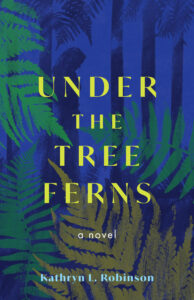
Set in two beautiful places.
Under the Tree Ferns takes place in tropical Puerto Rico and northern Idaho amid World War II intrigues, coming-of-age tribulations, trans-cultural challenges, and secrets that need two sleuths and a century to resolve.
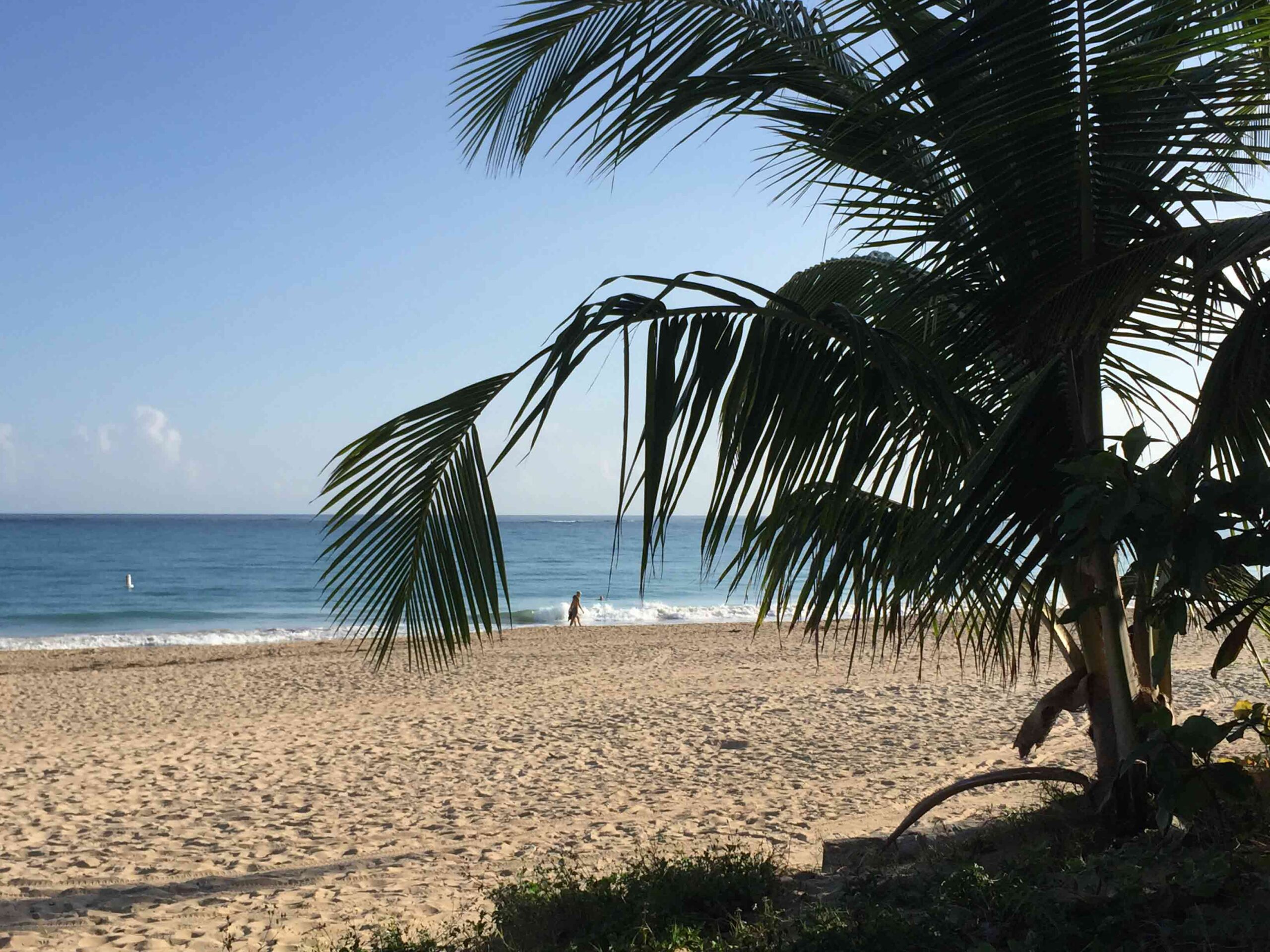
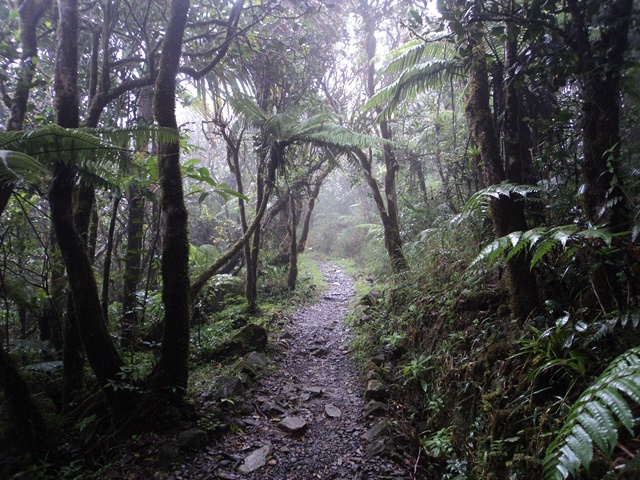
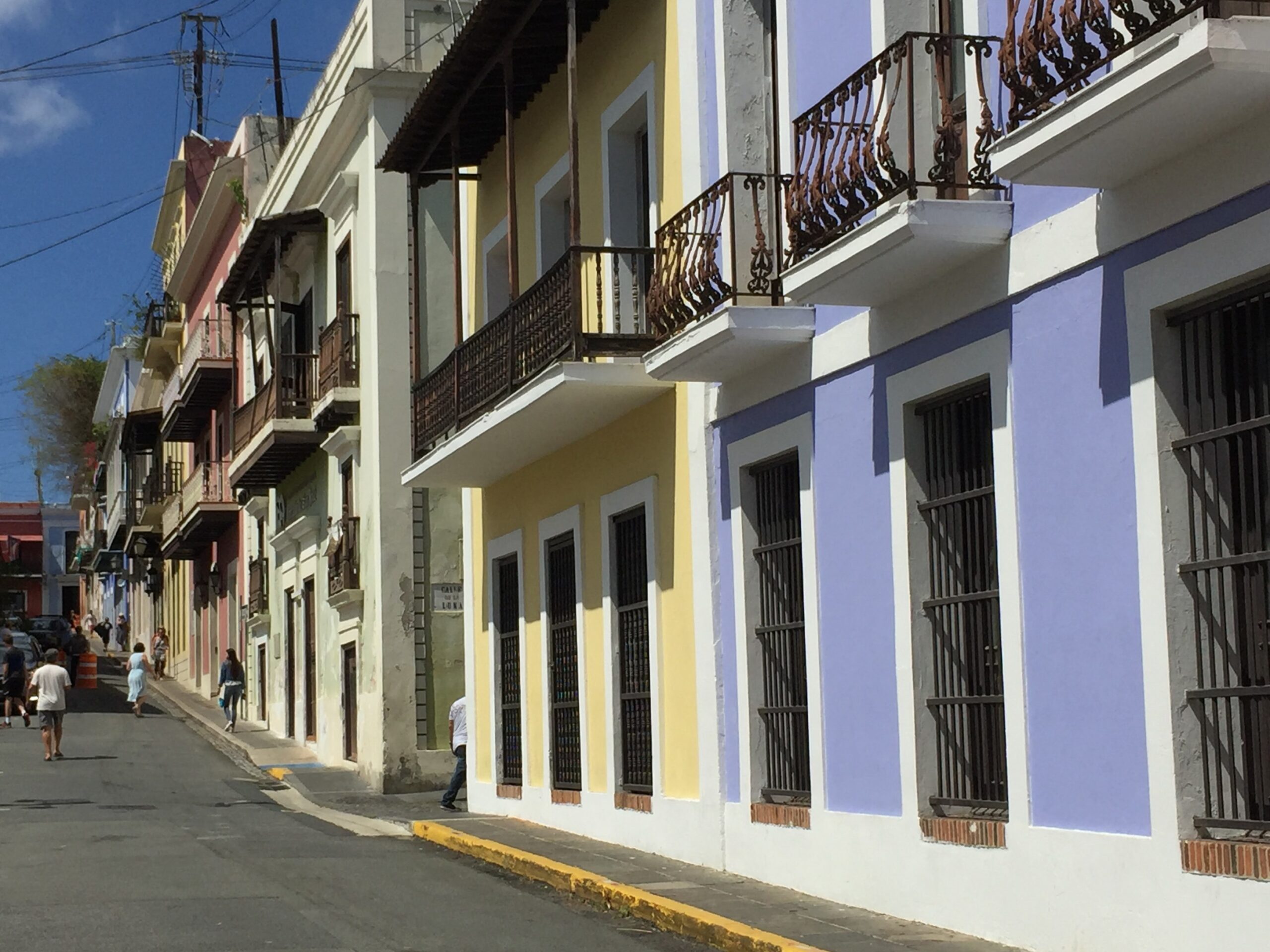
Puerto Rico
Excerpt
Chapter One
Puerto Rico, 1942
Carlitos picked up the lantern, illuminating the body of the dead woman. The two men stared in silence. In spite of her bent position, Moreno could tell she was tall. She wore a loose-fitting blouse, trousers once black but now faded to a dark gray, and the chunky boots men from the States wore when they worked in the forest. A piece of string gathered long brown hair into a loose ponytail. Though she seemed middle-aged, she had a slim body, lacking the excess pounds put on through maturity, bearing children, and eating generous portions of rice and beans. No middle-aged woman in the region looked this thin.
“No wedding band, no jewelry of any sort.”
Moreno nodded.
“Ashes to ashes,” Carlitos quoted. “Look at her face.”
Unprotected by bulky clothing, it showed the swift ravages of death in the tropics. Half-closed eyes had sunk into the sockets, and the skin radiated a greenish-blue cast in the lantern light. Several pale maggots wiggled out of the blouse collar.
Moreno looked beyond the ravages. The face had been tanned and weathered before death, but beneath the clothing she would be pale, paler than the others on the ridge. The straight nose seemed too big for her face. Long black lashes fringed the sunken eyes. Her full mouth drooped slightly at the edges.
Carlitos broke the silence. “Difficult to see it now, but I bet she was pretty when she was young.”
“Probably so.” Moreno snorted. “But then, we’re all pretty when we’re young. And alive.” He rubbed the fabric of the woman’s trousers between his fingers and touched one of the boots. “She certainly wasn’t from here.”
“American?” Carlitos asked.
“I guess we’re going to find out.”
Northern Idaho
Excerpt
Chapter Four
Northern Idaho, 2012
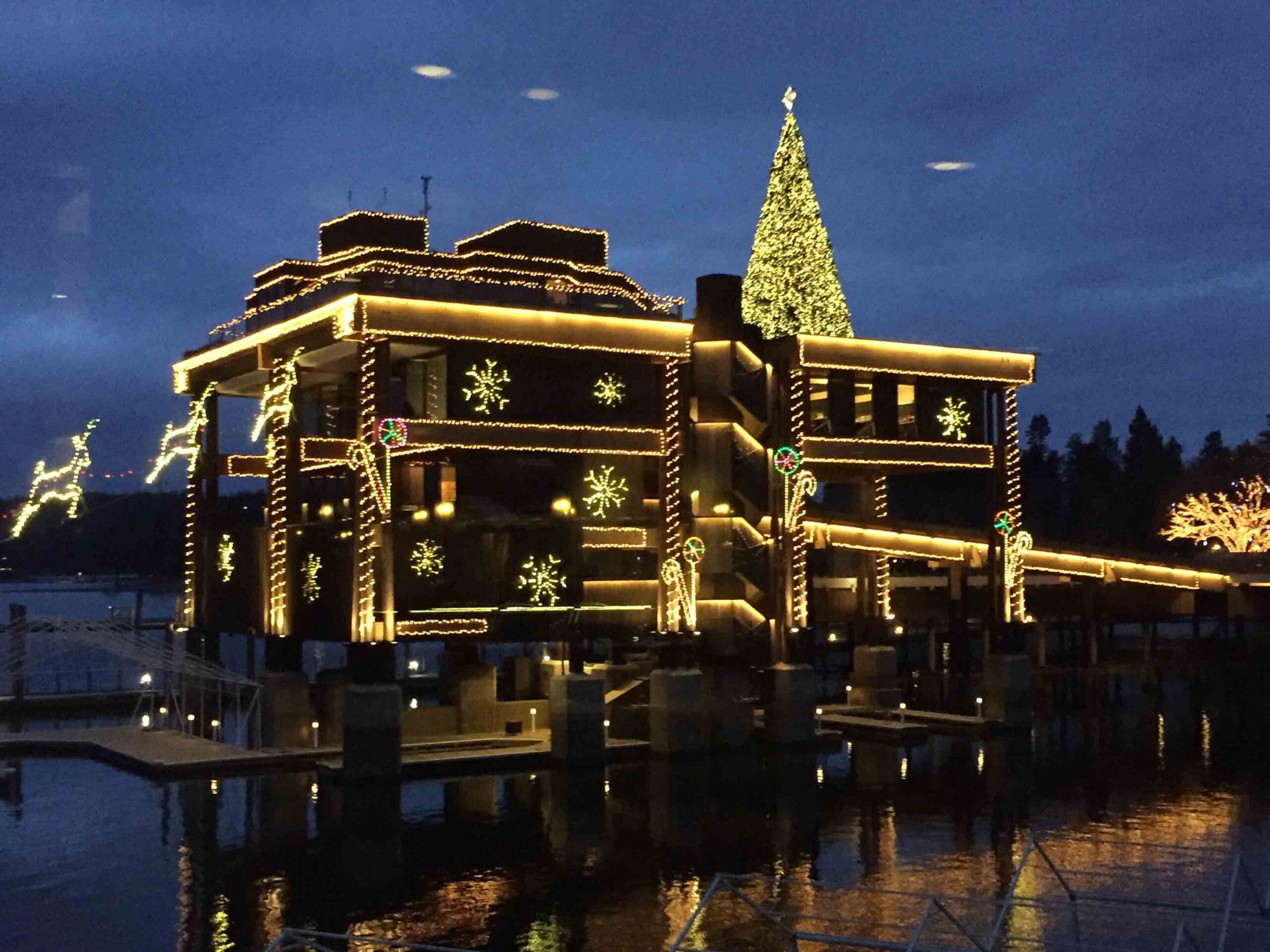
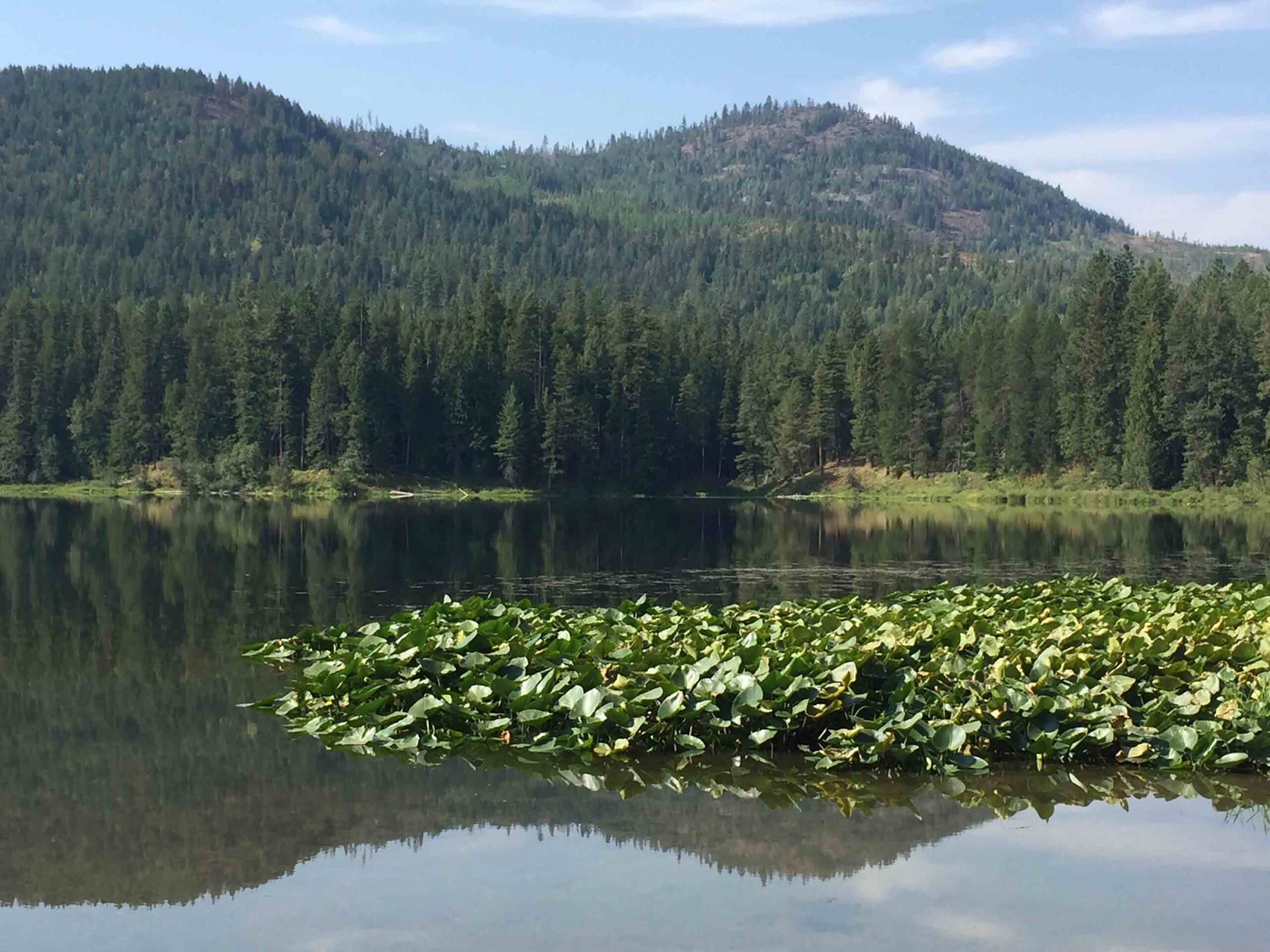
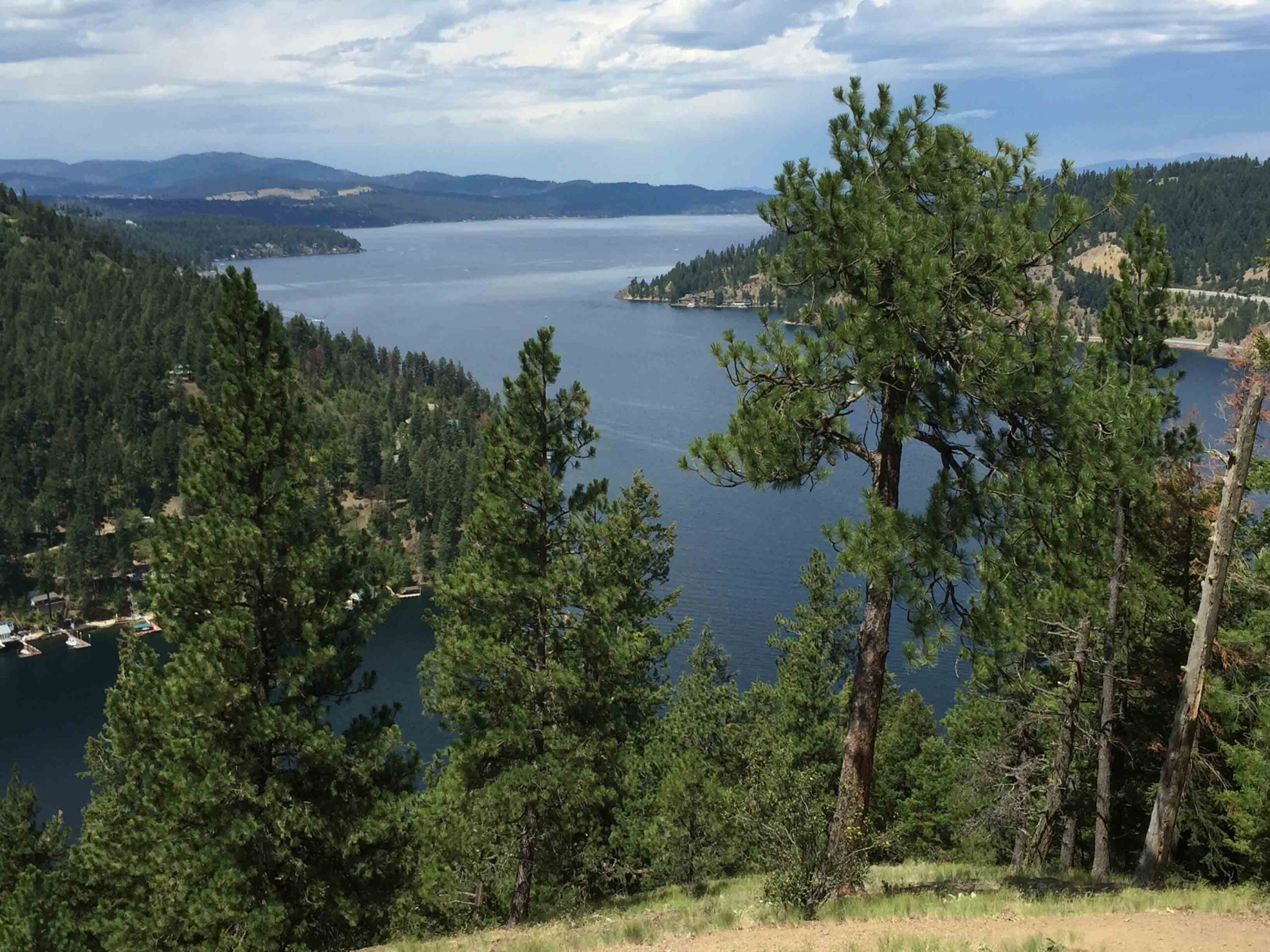
The lady I cared for in Coeur d’Alene died ten years ago, and I inherited her home. A second-floor balcony overlooks the town’s famous lake. When it’s warm, I sit out here and follow boaters and paddle-boarders crisscrossing the water under a lingering evening sun. Tapered pines ascend behind the lake, and the sky glows in pastels. It’s lovely, and many artistic interpretations hang in local galleries.
However, my favorite evening time on the balcony is early winter, when cold air bites at the skin but snow hasn’t yet whitened the landscape. Settled into a deck chair, wrapped in a heavy blanket, I take in the lake’s shadows. The water, as silent and black as the inside of a cave, stretches far beyond my vision. Hills and evergreens fuse into a uniform charcoal gray, and stars form frozen specks in a tar-dark sky. Tiny lights pinpoint homes and add festive cheer to a lakeside resort.
If I look long enough into the darkness, the shadows transform. The lake no longer looks like a lake, but like a bay facing a vast ocean. The pines become palm trees and seagrape shrubs, silhouetted against a graphite sky. The Arctic blasts lessen to velvety breezes.
I’m back in the Caribbean, searching for answers about Laura Morrison.
Coming June 16, 2026